
It’s true, hearing loss touches so much more than just your ears. It shapes how you connect with friends and family, how your brain processes the world around you, and even how confident you feel stepping out into our communities.
The really good news, though, is that here at Audiology, Inc., we see remarkable results every day. With the right care, you can absolutely regain that clarity, comfort, and confidence in your hearing and your life.
What Exactly Is Hearing Loss?
Simply put, hearing loss happens when any part of your intricate hearing system — that’s your outer ear, middle ear, inner ear, or the auditory nerve — isn’t working quite as it should.
There are three main types:
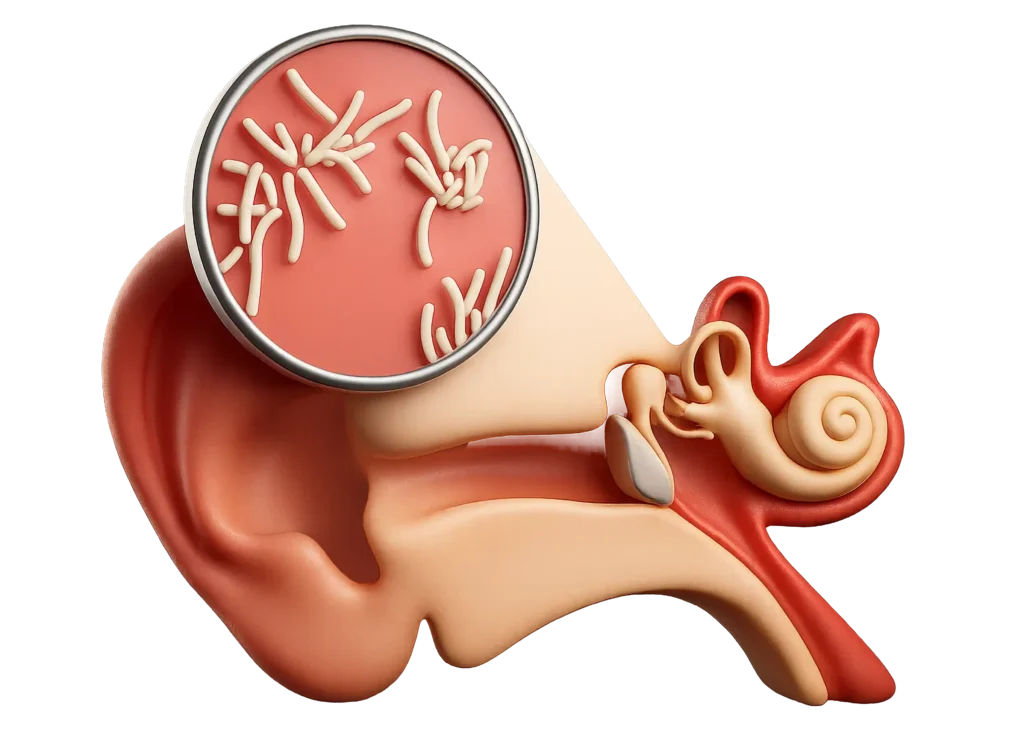
Sensorineural Hearing Loss
This is the most common kind, often occurring when the delicate hair cells in your inner ear or your hearing nerve experience damage.
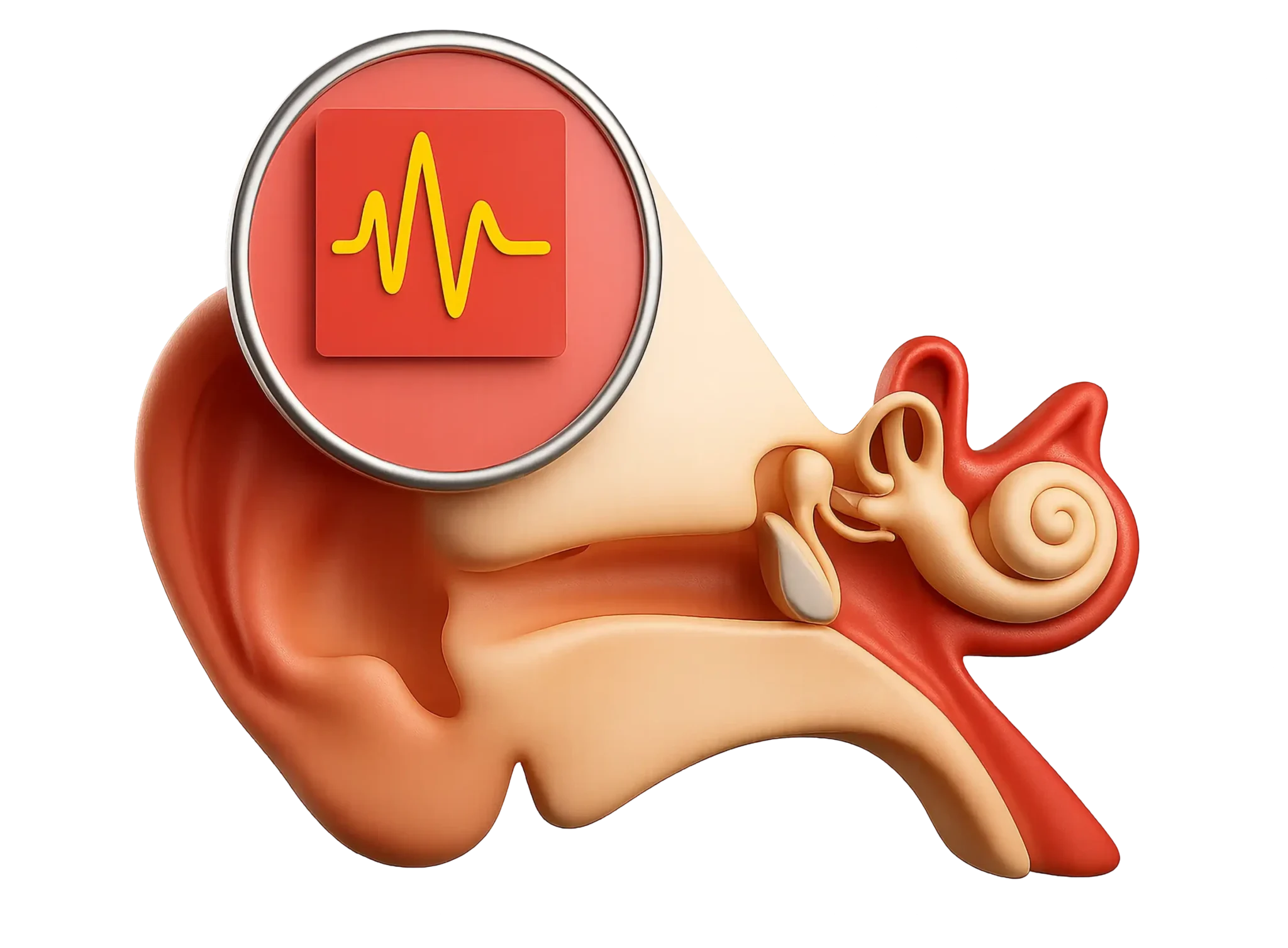
Conductive Hearing Loss
This type arises when sound struggles to travel through your outer or middle ear. Think of blockages, fluid, or even structural quirks.

Mixed hearing loss
As the name suggests, this is a blend of both sensorineural and conductive challenges.
Each type has its own story of causes and potential solutions. That’s why a comprehensive, local hearing evaluation right here with us is always the most important first step.
Recognizing the Signs: What Should You Look For?
Hearing changes often creep up slowly, and it’s easy to adjust without even realizing it. But you might start to notice things like:
Do any of these resonate with you? If so, it’s a clear signal that your ears and brain are working overtime, trying too hard to make sense of the sounds around you.
What Leads to Hearing Loss?
Many factors can contribute to changes in our hearing:
Understanding the root cause is key to guiding us toward the most effective plan for you.
Why Prioritizing Your Hearing Matters So Much
Untreated hearing changes don’t just make communication tough. They can ripple through almost every aspect of your well-being.
Cognitive vitality
Research increasingly links untreated hearing loss to a faster rate of cognitive decline and even a higher risk of dementia. The good news? Addressing hearing loss may significantly slow that decline for those at risk.
Emotional balance
It’s common for people to feel isolated, anxious, or depressed when hearing becomes a daily struggle. When you take action to improve your hearing, you’re far less likely to develop these depressive symptoms, and if you’re already experiencing them, treatment can help reduce them.
Safety and independence
Hearing crucial warning signals — like an alarm or an approaching vehicle — is vital for everyday safety.
Taking care of your hearing early supports not just your ability to hear, but your long-term brain health and emotional well-being, helping you stay active and independent.
The Power of Both Ears: Why Binaural Hearing is Key
Just as your eyes team up to give you depth perception, your ears collaborate to help you pinpoint where sounds are coming from and what they mean.
This incredible partnership, called binaural hearing, is what gives sound its richness, direction, and crystal clarity.
When both ears are working in harmony, your brain can:
When hearing loss affects one ear, or when only one ear is addressed, it disrupts this vital partnership. The result can be confusion about where sounds originate, real difficulty understanding speech in noisy settings, and a feeling that the world sounds flat or distant.
That’s why, when appropriate, we always recommend addressing hearing loss in both ears.

How We Diagnose Hearing Loss Locally
A hearing evaluation here at Audiology, Inc., is a straightforward, comfortable, and incredibly informative experience. We’ll chat about your medical history and then perform a few gentle tests, including:
These results come together to form your audiogram — essentially a visual map of your unique hearing ability — which helps us determine if your hearing changes are sensorineural, conductive, or mixed.

Your Personalized Treatment Options
We firmly believe that no two ears are exactly alike, and neither should your treatment plan be a one-size-fits-all solution.
Here are some of the options we explore:
Innovative hearing technology
Today’s solutions are remarkably small, often rechargeable, and can connect seamlessly to your devices. They are custom-tuned for optimal clarity and comfort, with many offering features to help manage tinnitus.
Assistive listening devices (ALDs)
These can be wonderfully helpful for specific situations, like watching TV, participating in meetings, or making phone calls.
Cochlear implants
For those with more significant hearing challenges where other solutions aren’t sufficient, this can be a life-changing option.
Medical or surgical treatments
Sometimes, the solution is as simple as earwax removal, addressing infections, or treating certain middle-ear conditions.
We’ll walk you through every option, ensuring you understand the best path forward for your unique needs and lifestyle.
Protecting the Hearing You Have
Even if you’ve already noticed some changes in your hearing, there’s a lot you can do to protect what you have:
When to Reach Out to Your Local Experts
We encourage you to schedule a hearing evaluation with us if you:
The sooner hearing changes are identified, the more effectively we can address them, and the better your brain can adapt to hearing clearly once again.
Frequently Asked Questions
-
Hearing Loss Myths Debunked
Misunderstandings about hearing health can stand in the way of proper care. We clear up the confusion by examining common stereotypes and sharing the reality
-
The “Hidden” Signs of Hearing Loss
Do you find yourself turning up the television or struggling to follow conversations in noisy rooms? These subtle shifts often signal early hearing changes
-
8 Questions to Ask Your Doctor During Your Physical
Are you making the most of your annual physical exam? These eight essential questions can help you uncover potential health risks and improve communication


Got Questions?
We’ve got answers and we’re standing by to help.